
Common Causes of Cracks in Commercial Concrete Slabs
To repair cracks in commercial concrete slabs caused by factors like settling or temperature changes, local contractors can assess the damage and provide effective repair solutions.
Understanding the common causes of cracks in commercial concrete slabs is essential for property owners looking to preserve the integrity and safety of their facilities. Cracks can develop for a variety of practical reasons, including soil movement beneath the slab, improper joint placement, or excessive load stresses. Recognizing these factors can help property owners identify potential issues early, preventing more extensive damage and costly repairs down the line. Local contractors who specialize in concrete slab crack repair are equipped to assess these underlying causes and recommend appropriate solutions to maintain the durability of the concrete.
Exploring why cracks form in commercial concrete slabs is a practical step for anyone responsible for maintaining a commercial property. Factors such as poor subgrade preparation, shrinkage during curing, or temperature fluctuations often contribute to cracking over time. By understanding these common causes, property owners can better evaluate the condition of their slabs and seek out experienced service providers who can address the problem effectively. Connecting with local experts in concrete crack repair ensures that issues are handled by professionals familiar with the specific conditions and challenges faced in the area.
- Commercial concrete slab crack repair services are often needed when settlement causes cracks in newly constructed parking lots, with local contractors assessing the severity and applying appropriate patching or reinforcement techniques. Cracks caused by temperature fluctuations in large slabs may require professionals to perform expansion joint repairs or sealant applications to prevent further damage. Heavy loads or overuse can lead to stress cracks in commercial flooring, prompting local pros to evaluate the slab’s condition and recommend structural reinforcement or crack sealing. Poor initial concrete mixing or curing can result in early cracking, making it essential for service providers to perform timely repairs to restore slab integrity. Underlying soil movement or erosion often leads to cracks, and local contractors typically address these issues through soil stabilization and crack injection methods.
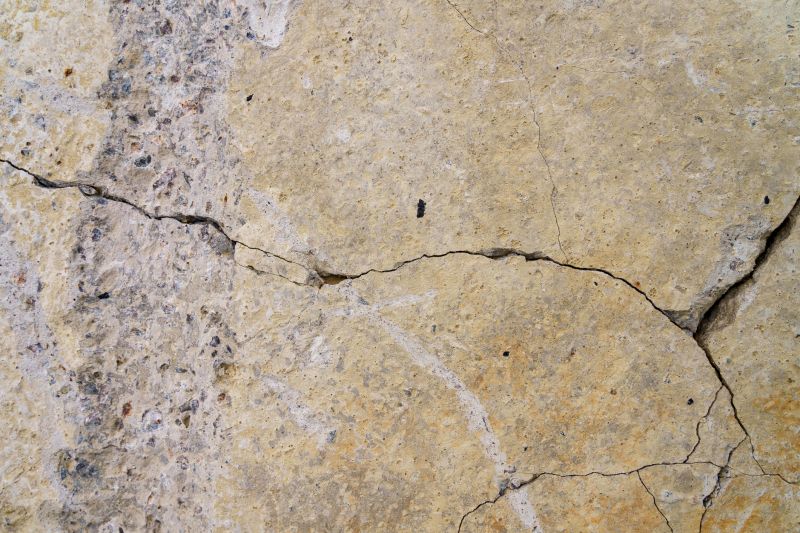
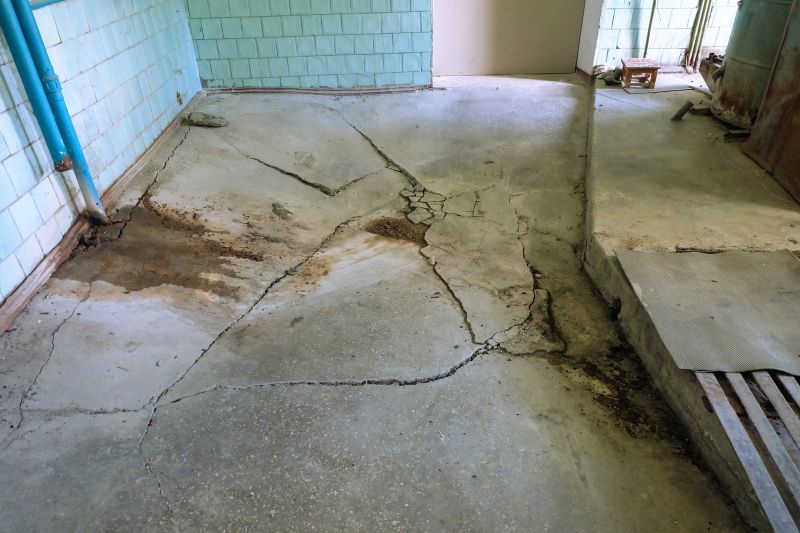
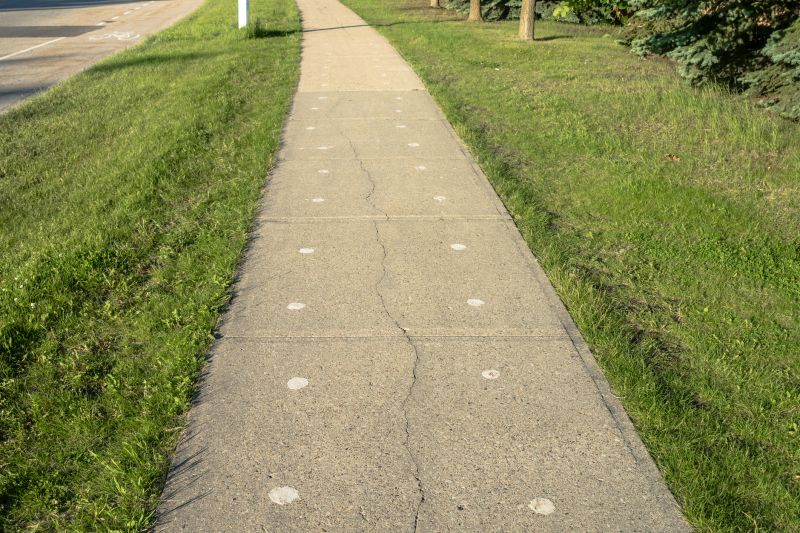
Understanding the common causes of cracks in commercial concrete slabs is essential for property owners and managers who want to maintain the integrity and safety of their facilities. When searching for this topic, most people are looking to identify why cracks develop in their existing slabs or how to prevent them in future projects. These cracks can signal underlying issues that, if left unaddressed, may lead to further damage, safety hazards, or costly repairs. Recognizing the root causes helps property owners plan effective repair strategies and choose the right professionals to handle crack repair, ensuring the longevity of their concrete surfaces.
Cracks in commercial concrete slabs are often related to issues that arise during or after installation. For many property owners, these problems include improper mixing or curing of the concrete, which can weaken the material and make it more prone to cracking. Additionally, inadequate joint placement or spacing can cause stress concentrations that lead to surface or deep-seated cracks. Environmental factors, such as exposure to freeze-thaw cycles or excessive moisture, also play a significant role in deterioration. Understanding these causes allows property owners to better evaluate the condition of their slabs and determine when professional crack repair services are needed to restore stability and prevent further damage.
Certain types of properties tend to experience cracks more frequently due to their usage or structural design. Commercial parking lots, warehouses, and industrial facilities often see cracks develop because of heavy vehicle loads and frequent traffic. Retail centers or office complexes with expansive concrete surfaces may also encounter cracking due to settlement or ground movement beneath the slabs. These properties typically have large, flat surfaces that are susceptible to stress and environmental impacts. When cracks appear, it’s important to work with experienced service providers who understand the specific challenges faced by these property types and can recommend appropriate repair solutions to extend the lifespan of the concrete.
For property owners dealing with cracks in their commercial concrete slabs, local contractors specializing in crack repair are an essential resource. These professionals can assess the severity and cause of the cracks, whether they stem from structural issues, material problems, or environmental factors. Proper repair not only restores the appearance of the surface but also helps prevent water infiltration, further deterioration, and potential safety hazards. Connecting with experienced service providers ensures that repairs are performed correctly and efficiently, tailored to the specific needs of the property. This proactive approach helps maintain the integrity of the concrete slab and supports the long-term functionality of the property.
Parking lot construction - professionals experienced in large-scale concrete work can address issues related to improper planning and material handling that contribute to cracks in slabs.
Industrial flooring projects - this type of work requires expertise in managing heavy loads and thermal expansion, which are common causes of cracks in commercial concrete slabs.
Sidewalk and walkway installations - local contractors skilled in precise leveling and joint placement help prevent cracking caused by settlement and temperature changes.
Loading dock repairs - specialists familiar with high-stress environments can identify and mitigate cracks resulting from repeated impact and weight stress.
Foundation pouring services - experience in proper curing and reinforcement techniques helps reduce cracking related to soil movement and improper mix ratios.
Concrete resurfacing projects - service providers capable of addressing surface cracks and underlying issues ensure long-lasting results in commercial settings.
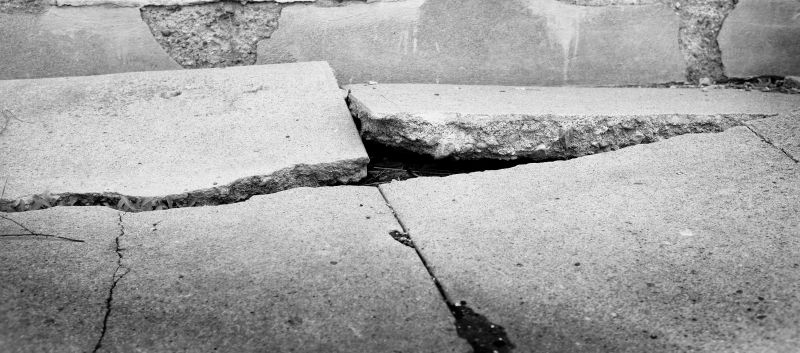
When evaluating local contractors for commercial concrete slab crack repair, it is important to consider their experience with similar projects. Contractors who have handled a variety of commercial slabs and have a track record of addressing common causes of cracks-such as soil settlement, improper joint placement, or material flaws-are more likely to deliver effective results. Reviewing their portfolio or asking for examples of past work can provide insight into their familiarity with the specific challenges associated with commercial concrete slabs and their ability to implement appropriate repair strategies.
Clear written expectations are essential when comparing service providers. A reputable contractor should be able to provide a detailed scope of work that explains how they will identify the root causes of cracks and the methods they will use for repair. This documentation helps ensure that both parties are aligned on project goals, timelines, and the scope of services, reducing the likelihood of misunderstandings. Well-defined expectations also serve as a basis for assessing the professionalism and thoroughness of each contractor, which is crucial for ensuring long-term durability of the repairs.
Good communication and reputable references are key factors when selecting local contractors for concrete slab crack repair. Service providers who are transparent about their processes and willing to share references from previous clients demonstrate reliability and accountability. Reaching out to past customers can provide valuable insights into the contractor’s ability to handle complex issues related to common causes of cracks, as well as their responsiveness and professionalism throughout the project. Effective communication ensures that any concerns or questions are addressed promptly, leading to a smoother repair process and greater confidence in the contractor’s capabilities.
Property owners often search for common causes of cracks in commercial concrete slabs when they are planning practical projects around their homes and businesses. Local pros provide Commercial Concrete Slab Crack Repair services for everyday jobs and straightforward project options.
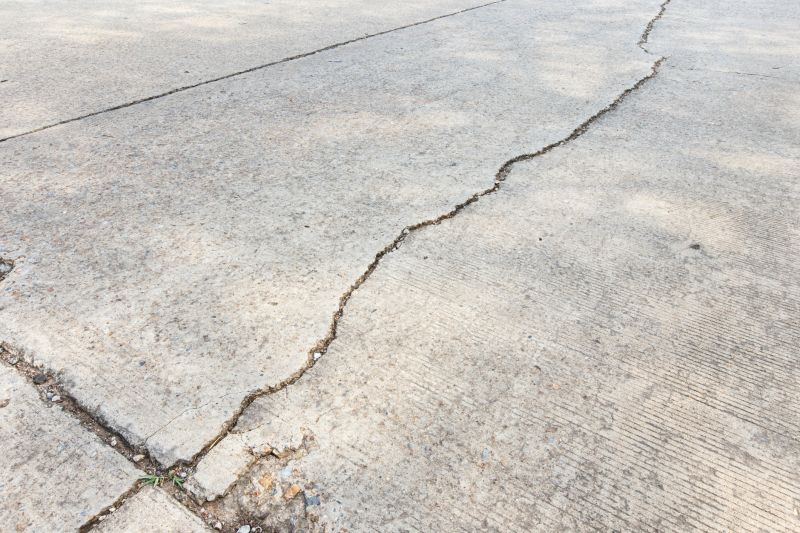
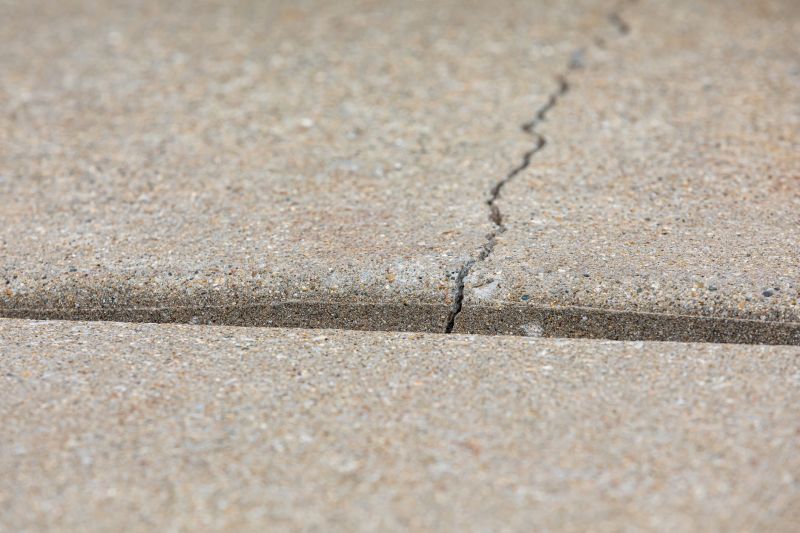
Understanding the common causes of cracks in commercial concrete slabs can help property owners identify potential issues early on. Factors such as improper mixing, inadequate curing, or insufficient reinforcement during installation are frequent contributors to cracking. Additionally, heavy loads or frequent traffic on the slab can put stress on the concrete, leading to surface or structural cracks over time. Recognizing these everyday project situations can help property owners decide when it might be necessary to seek professional repair services to maintain the integrity and safety of their commercial space.
Property owners in the area who notice cracking or deterioration in their concrete slabs should consider connecting with local contractors who specialize in commercial concrete slab crack repair. These service providers can assess the severity of the cracks and recommend appropriate solutions to restore the slab’s strength and appearance. Whether the cracks are caused by soil movement, temperature changes, or installation issues, experienced local pros can handle repairs effectively, helping to prevent further damage and prolong the lifespan of the concrete surface.
What are common causes of cracks in commercial concrete slabs? Common causes include soil settlement, improper mixing, and temperature fluctuations that cause expansion and contraction of the concrete.
How does soil movement lead to cracking in concrete slabs? Soil movement, such as shifting or settling, can put stress on the slab, resulting in cracks over time.
Can poor installation techniques cause cracks in concrete slabs? Yes, inadequate reinforcement, improper curing, or insufficient joint placement during installation can lead to cracking issues.
What role do environmental factors play in cracking of concrete slabs? Environmental factors like freeze-thaw cycles and exposure to moisture can cause concrete to expand and contract, leading to cracks.
How can local contractors help repair cracks caused by these issues? Experienced service providers can assess the cause of cracks and perform effective repair solutions to restore the integrity of the concrete slabs.
Soil settlement - understanding how soil movement can cause cracks helps property owners plan for proper site preparation and work with local contractors to reinforce the slab.
Heavy loads - recognizing the impact of excessive weight on concrete slabs encourages property owners to work with local pros to design load-bearing solutions.
Poor reinforcement - knowing the importance of proper reinforcement guides property owners in ensuring their slabs are correctly supported during construction.
Temperature changes - being aware of thermal expansion and contraction helps property owners coordinate with local service providers to incorporate control joints and other preventative measures.
If you are thinking about common causes of cracks in commercial concrete slabs for a property, this guide is meant to help you understand this topic, the typical project types, and how different options might fit your plans.
When you are ready, you can use the quote form on this page to share a few details about your project. From there, local pros can review the basics and follow up with options that match what you have in mind.